


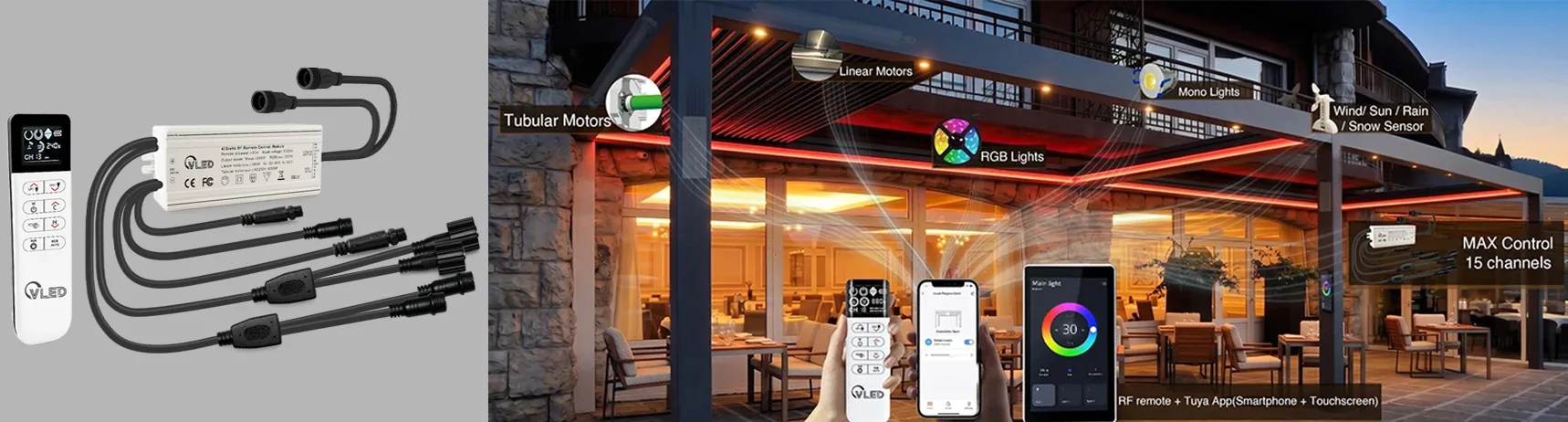
A pergola control system rarely fails because one component looks weak on paper. It fails because the BOM was written like a shopping list instead of an operating architecture.
For a louvered roof manufacturer, the control BOM decides how fast installers can wire the product, how clearly dealers can quote options, and how quickly service teams can identify a fault. The right BOM also protects the brand promise: one pergola system, one control logic, one user experience.
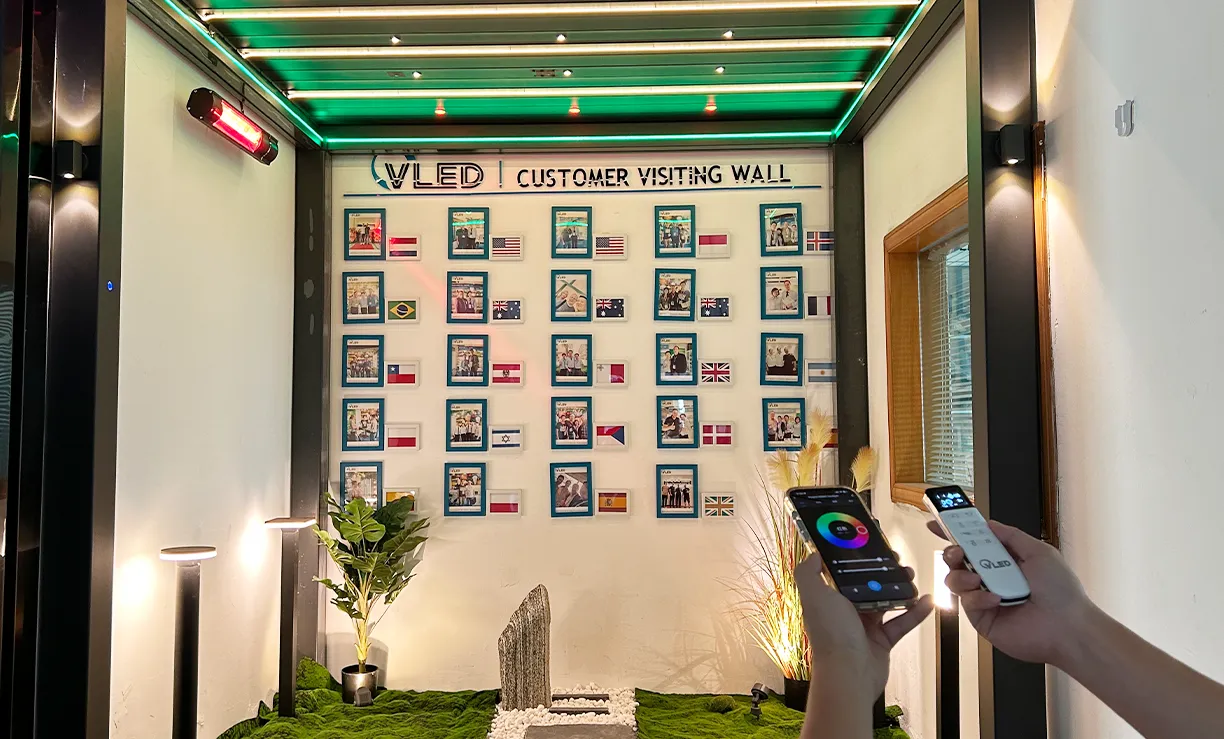
This is the practical position behind our sistema integrado de controlo de pérgulas: lighting, linear actuator louver rotation, tubular motor roof movement, weather sensors, RF remote, Tuya app and wall panel control should be specified together before production starts.
Pontos-chave
- A useful BOM separates control architecture, electrical loads, motor channels, user interfaces, sensor logic, enclosure rating and service evidence.
- Public competitor pages usually sell the control experience. Manufacturers need the hidden BOM logic behind that experience.
- RF remote, Tuya app and wall panel control should not compete with each other. They should form one predictable control stack.
- The best BOM reduces field decisions. Installers should connect labeled outputs, test known channels and leave with clear service documentation.
Why the Control BOM Matters Before Production
The control BOM should be fixed before the first production sample, because it decides how the pergola behaves after installation. It affects motor movement, lighting stability, remote pairing, app setup, wall-panel use, sensor response, spare parts and dealer training.
Homeowners usually judge the system by a simple question: does one command make the pergola do what I expect? Manufacturers have to answer the harder question behind it: which components, firmware, cables, connectors and test records make that experience repeatable across hundreds or thousands of units?
That is why the BOM cannot be left to purchasing alone. A louvered roof control BOM needs input from product design, electrical engineering, installation training, after-sales service and the commercial team that sells upgrade packages to dealers.
The Manufacturer’s Real Problem
A pergola brand is not only buying a controller. It is buying a control behavior that dealers must install, homeowners must understand and service teams must support. The BOM is the document that keeps those expectations connected.
Public examples from premium pergola brands show why the control experience matters. Renson presents smart pergola control as a simple user experience, while StruXure highlights motorized operation through Somfy systems. For OEMs, the lesson is clear: the finished experience may look simple, but the product team must specify the hidden control architecture carefully.
What Goes Wrong When Controls Are Specified Too Late
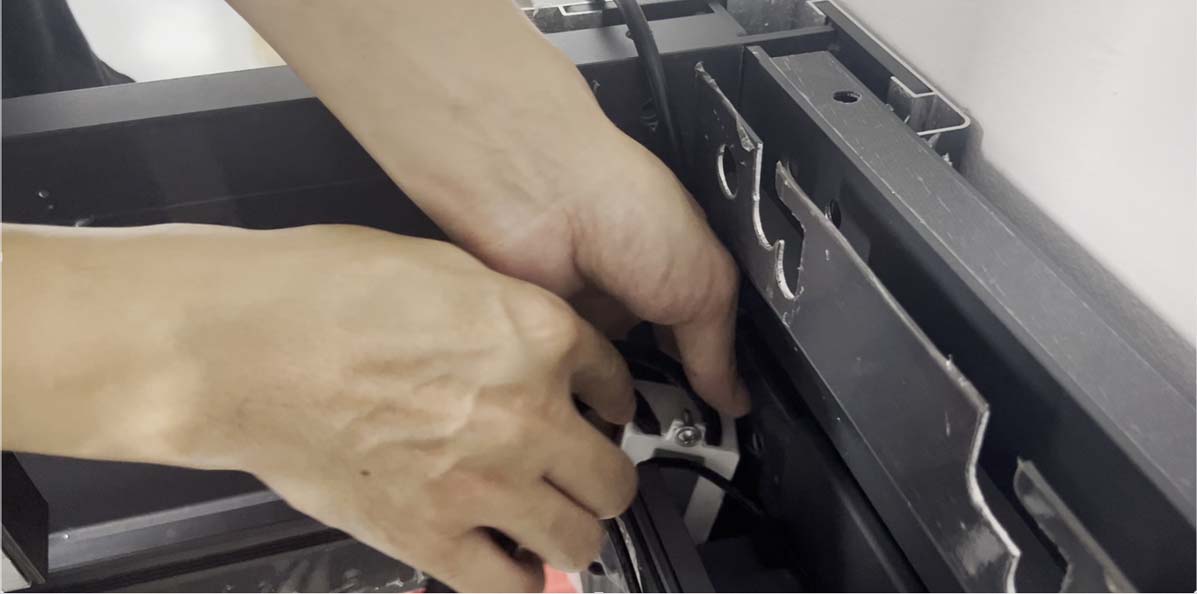
Late control decisions create field problems. The most common issues are not dramatic design failures. They are small mismatches: a remote with unclear channel logic, a lighting driver with too little headroom, a sensor with no recovery rule or a control box that fits electrically but not mechanically.
These problems are expensive because they travel downstream. Dealers spend more time commissioning. Installers call support from the jobsite. Homeowners lose confidence when the app, remote and wall panel do not behave consistently.
A single finished pergola may include mono LED lighting, RGB or RGBW lighting, linear actuators for blade rotation, tubular motors for retractable movement, weather sensors, RF pairing, WiFi or Tuya app control and a wall-mounted panel. If those items come from separate suppliers, the manufacturer owns the integration risk.
If they come from one designed system, the BOM can become shorter, easier to test and easier to explain to dealers. Our unidade de controlo da pérgula groups LED lighting, linear actuator, tubular motor, sensor and interface requirements into one source-factory specification.
Start With the Control Architecture
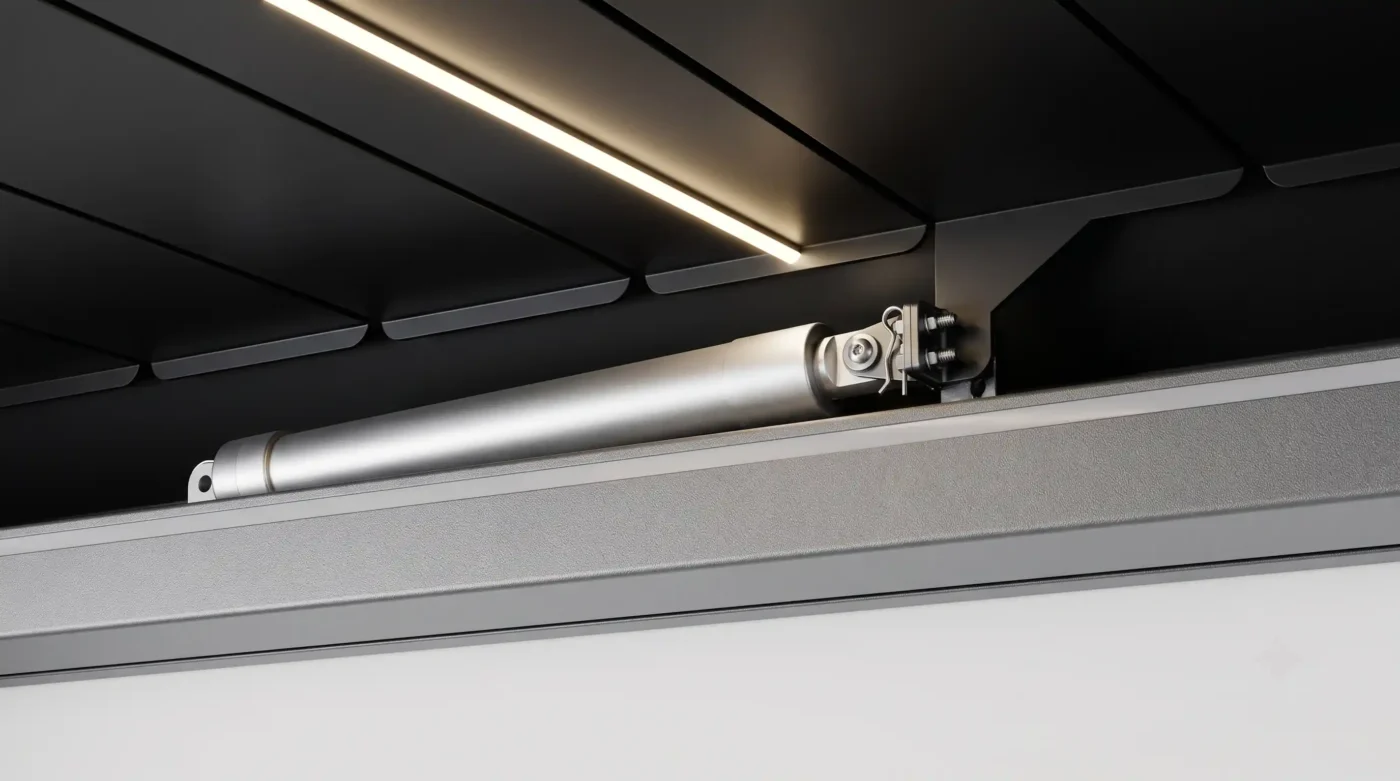
Start the BOM with architecture, because architecture determines how many SKUs the manufacturer must carry. A pergola controller that can manage lighting, louver rotation, retractable movement, sensors and three user interfaces can replace several isolated modules, but only if the channel logic is documented before quoting.
Define the Pergola Types First
A fixed louvered roof, a rotating louver roof and a retractable louvered roof do not need the same control map. Before choosing hardware, list the structure types you sell and the movement each one requires.
- Rotating louver only: linear actuator channels for blade tilt.
- Retractable louver only: tubular motor channels for roof movement.
- Rotating and retractable system: separate linear actuator and tubular motor logic.
- Lighting-only veranda or patio cover: lighting controller, splitter, power supply and RF control.
- Commercial multi-bay pergola: grouped channels, repeated modules and simple site commissioning.
For deeper specification work, the related guide on sistemas de controlo de pérgulas com persianas motorizadas is a useful companion when engineering teams need to separate OEM requirements from dealer-facing options.
Choose the Control Topology
The BOM should state whether the product uses one central controller, several local controllers, or a hybrid design. A central controller reduces user confusion. Local modules can simplify replacement. A hybrid design often works best when lighting and motors require different physical locations inside the pergola frame.
For many manufacturers, an integrated controller is the cleanest default. It keeps RF remote, Tuya app and wall panel commands aligned. It also lets the factory pre-test complete scenarios instead of testing single modules in isolation.
Specify Lighting Loads Before You Choose the Controller
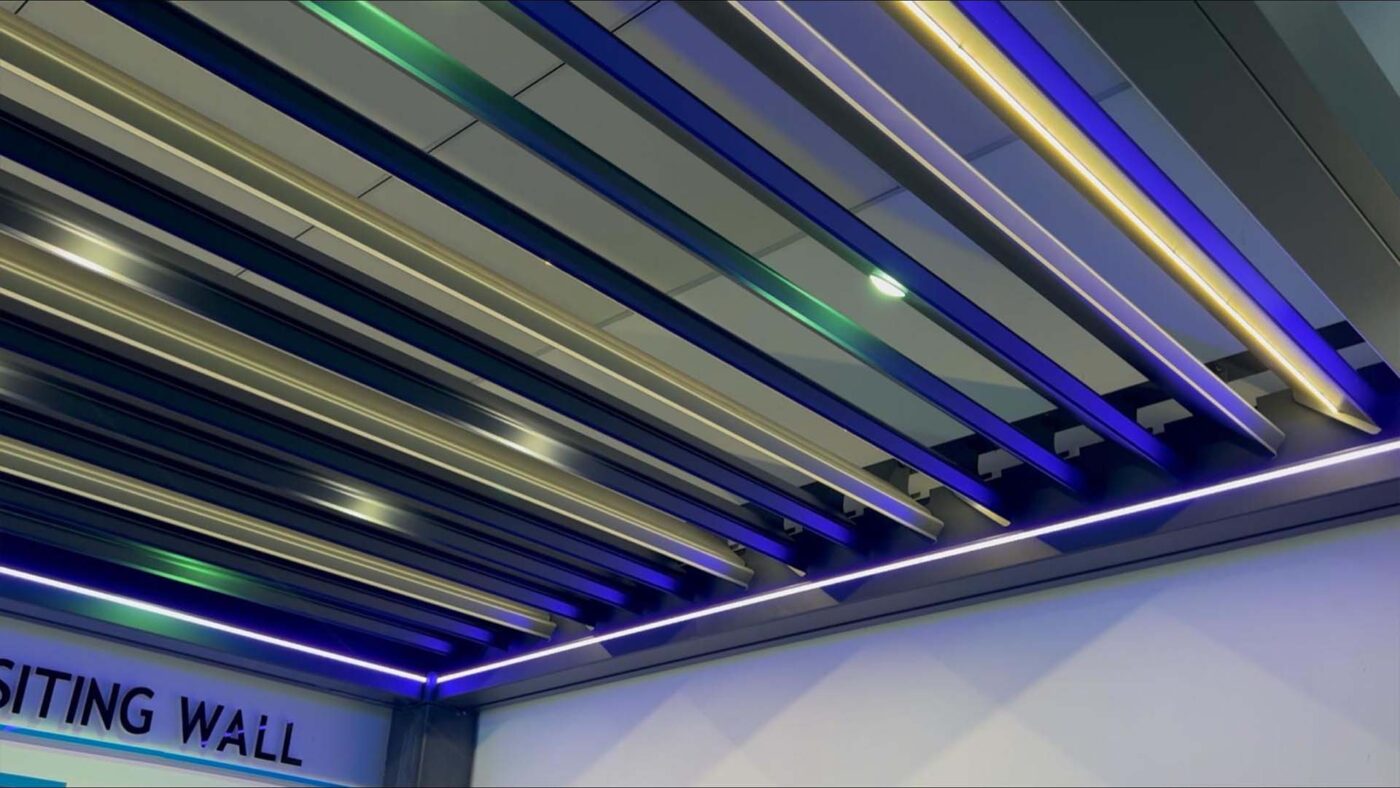
Lighting looks simple until the BOM reaches power budget, cable length and color-channel control. A louvered roof manufacturer should define mono lighting, RGB lighting, strip length, dimming range, driver capacity, voltage drop control and connector style before the first sample kit is installed.
The current PergolaLights system can support mono lighting at DC24V with a stated maximum of 300W, plus RGB lighting control for color scenes and dimming. That gives the BOM a clean way to separate practical white task lighting from mood lighting for hospitality, residential and showroom use.
Separate Mono, RGB and RGBW Requirements
Do not write “LED lights” as one BOM line. That hides too much. A single-color LED strip, an RGB strip, an RGBW strip and a spotlight kit have different wiring, control and connector needs.
For example, a manufacturer choosing between white, CCT and RGBW can use the RGBW vs CCT vs single white guide to decide which color package belongs in a standard kit and which belongs in an upgrade package.
Document Driver Capacity and Voltage Drop
Every BOM should show the installed lighting load, not only the controller’s maximum output. Add expected LED wattage, safety margin, cable length, connector resistance and the maximum number of light runs per output.
When long LED strips run around large frames, voltage drop can create uneven brightness. The driver sizing and dimming guide for pergola LEDs is a better planning reference than a generic LED driver data sheet because it treats the pergola as a frame system, not a loose lighting project.
Separate Louver Rotation From Roof Retraction
The motor section of the BOM must separate linear actuators from tubular motors. In most louvered roof designs, linear actuators rotate the blades, while tubular motors move retractable sections. Mixing those lines creates poor service notes, unclear wiring and avoidable warranty calls.
A control system built for louvered and retractable pergolas should state how many actuator and motor channels it supports. The PergolaLights control system is designed around up to four linear actuator outputs and up to two tubular motor outputs, which fits many rotating plus retractable roof layouts.
Define Movement, Not Only Motor Type
The BOM should say what each motor does. “Motor 1” is not enough. Use labels such as “left bank louver rotation,” “right bank louver rotation,” “front retractable roof” or “rear retractable roof.”
That small labeling habit changes installation quality. It also helps customer service teams diagnose whether the issue sits in pairing, motor limit setting, wiring, load, obstruction or firmware logic.
Record Compatibility Boundaries
If your pergola line uses Somfy, AOK, Dooya, Nice, Teleco or other motor families, the BOM should name the compatible voltage, control signal and limit-setting method. Generic compatibility claims are weak. A service team needs the exact boundary.
For brands working across multiple motor ecosystems, the internal article on lighting kit compatibility with Somfy, Nice and Teleco motors is a useful starting point for matching lighting and control packages without forcing a full motor platform change.
Keep RF Remote, App and Wall Panel Control Aligned
RF remote, Tuya app and wall panel control should be planned as one interface system. The strongest BOM does not ask the manufacturer to choose only one. It defines which interface is primary during installation, which is primary for daily use and which one remains available when network conditions are poor.
RF control still matters. It gives installers a direct local command path, avoids app account delays during commissioning and lets users operate the pergola without opening a phone. App control matters because homeowners expect scenes, schedules and remote access. A wall panel matters because outdoor rooms need a fixed control point.
Specify Pairing and Channel Logic
The BOM should include channel count, pairing steps, factory reset behavior, replacement remote procedure and dealer handover notes. PergolaLights pages describe 15-channel grouping in the control unit context, which is useful when a manufacturer sells multi-zone lighting or multi-bay pergola systems.
For a deeper control-interface comparison, link the engineering and sales teams to the guide on RF remote, app, voice and wall switch pergola control. It helps prevent the common mistake of treating every interface as a separate product story.
Keep Tuya as an App Layer, Not the Whole Strategy
Tuya app support is valuable, especially for brands that need a familiar smart-home path. The Tuya SmartLife App overview shows how the platform supports app-based device experiences, but the pergola manufacturer still needs local control, sensor priority and safe motor behavior designed into the hardware system.
That is why the BOM should never read “Tuya controller” and stop there. It should state which functions are available in the app, which remain available through RF, and which safety reactions run automatically even when the phone is not involved.
Define Weather Sensor Logic Before Dealers Ask
Sensors should be written into the BOM as automation inputs with priority rules, not as optional accessories tacked onto the end. Wind, rain, sun and snow detection can protect the structure and improve comfort, but only if the controller knows which condition wins when inputs conflict.
A simple example: rain may close louvers, wind may open or secure them depending on structural design, sun may adjust shading, and snow may trigger a protective position. The BOM should state the intended response for each condition and define whether the user can override it.
Define Trigger, Delay and Recovery
Every sensor line should include trigger threshold, debounce delay, recovery delay and manual override behavior. Without this detail, two suppliers can quote the same “rain sensor” but deliver very different user experiences.
Manufacturers can use the rain, wind and sun sensor integration guide to prepare a cleaner discussion between product, engineering and sales teams before adding automation to the standard package.
Make Sensor Failure Visible
The BOM should also define what happens if a sensor is disconnected, damaged or paired incorrectly. A silent failure is worse than a missing feature because the homeowner believes the pergola is protected when it may not be.
For OEMs, this is where control logic becomes brand protection. A premium louvered roof should not rely on the installer guessing whether the sensor is working.
Design the Box and Wiring for Outdoor Frames
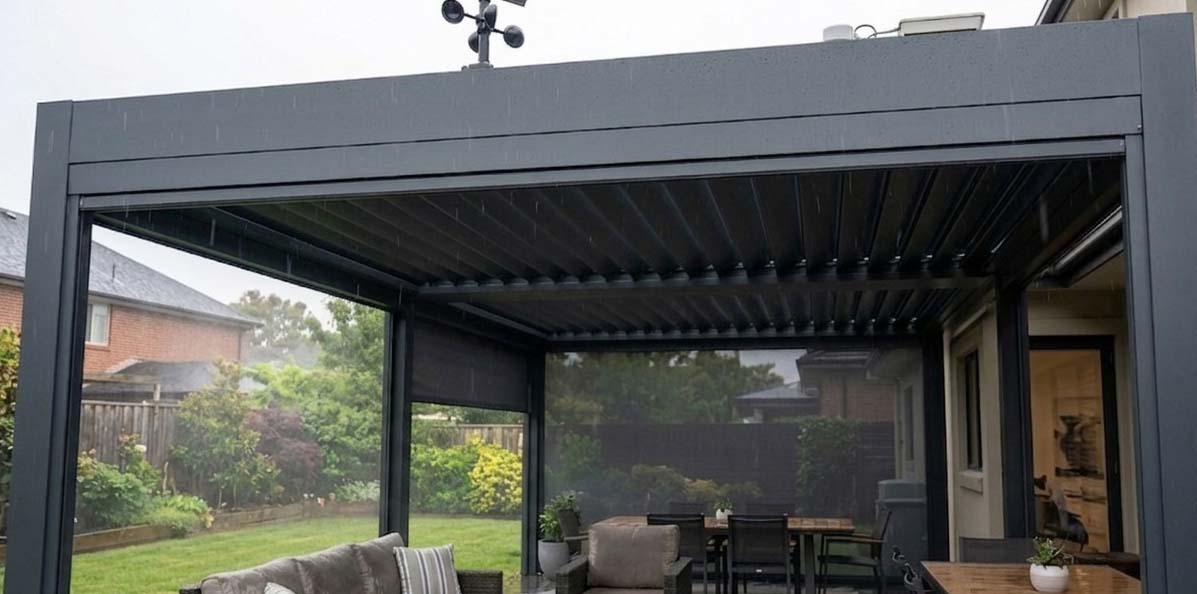
The enclosure line of the BOM deserves more attention than it usually gets. Outdoor control hardware faces water, dust, heat, cold, UV exposure, metal interference, cable strain and poor installation habits. The box and wiring plan must be designed for the pergola frame, not just for a bench test.
IP ratings help describe enclosure protection. The IEC 60529 standard is the core reference for IP code definitions, while North American projects may also involve enclosure practices from standards bodies such as NEMA. Manufacturers should confirm the final requirement with their compliance partner and target market.
Do Not Treat IP Rating as the Whole Answer
An IP65 control box can still fail if cable glands are loose, connectors hang in water paths, strain relief is missing, or the enclosure sits where heat builds up. The BOM should define mounting orientation, cable entry direction, connector type and installation clearance.
The internal IP rating guide for outdoor pergola lighting and control components can support dealer education because it explains why IP44, IP65 and IP67 are not interchangeable labels.
Plan for Metal Interference
Aluminum pergola frames can affect RF performance. The BOM should list antenna position, control box location, pairing distance, expected open-area RF range and site conditions that may reduce signal reliability.
If RF performance has been a field complaint, review the guide on metal interference in pergola lighting control before freezing the controller location in your frame design.
Ask for Compliance Evidence Before the Kit Ships
Compliance should be discussed before the BOM is locked, because certification choices can change the enclosure, cable, PCB layout, labeling and test process. The right question is not only “does the part work?” It is “can this kit be documented, repeated and defended in the market where we sell it?”
For US-oriented control panels, UL 508A is often part of the compliance conversation for industrial control panels. For EU and UK markets, manufacturers should review CE-related electrical safety, EMC and radio requirements with a qualified compliance partner. The BOM should leave space for those decisions instead of forcing them after tooling.
Require Evidence, Not Only Part Names
Each critical BOM line should connect to evidence. That can include a data sheet, wiring diagram, firmware version, pairing procedure, QC test record, packaging list or installation note.
This is where supplier selection becomes strategic. The question is not only whether a supplier can sell a controller. It is whether the supplier can help your factory ship the same control behavior every time.
The BOM Review Table Your Team Can Use
A practical BOM table should force decisions. If a line item does not define function, rating, compatibility and evidence, it is not ready for production purchasing. Use this table as a review format before approving samples or sending a control kit to dealers.
| BOM Area | Question to Answer | Evidence to Request |
|---|---|---|
| Main control unit | Does one controller manage mono lighting, RGB lighting, linear actuators, tubular motors and sensors? | Channel map, wiring diagram, firmware version and sample test report. |
| Mono LED output | What is the voltage, maximum wattage, dimming range and supported strip length? | Driver spec, load table, dimming test and thermal notes. |
| RGB or RGBW output | Which color channels, scenes and dimming behaviors are supported? | Color-channel diagram, app screenshots and controller setting sheet. |
| Linear actuator channels | How many actuators are supported, and which louver rotation function does each channel control? | Actuator compatibility list, channel label and limit-setting procedure. |
| Tubular motor channels | How many retractable roof motors are supported, and which motor brands or signal types are compatible? | Motor interface spec, wiring drawing and replacement notes. |
| RF remote | What is the channel count, pairing method, reset method and expected open-area range? | Remote manual, pairing video or printed commissioning sheet. |
| Tuya app control | Which functions can the app control, and which safety actions remain local? | App function list, onboarding procedure and gateway or WiFi requirement. |
| Wall panel or touchscreen | Which daily-use commands are available without a phone? | Panel wiring, mounting dimensions and user instruction sheet. |
| Weather sensors | What happens during rain, wind, sun and snow events, and which condition has priority? | Automation logic table, threshold settings and failure behavior. |
| Outdoor enclosure | What is the enclosure rating, cable entry method, mounting position and service access plan? | IP test reference, enclosure drawing, connector spec and installation image. |
| Harness and connectors | Are cable lengths, pin counts, labels and waterproof connector families fixed for each pergola size? | Harness drawing, connector list, label map and packaging checklist. |
| QC and traceability | Can the factory trace controller version, remote pairing, load test and packing contents? | QC record, serial number logic and final inspection sheet. |
A Better Control BOM Feels Simple to the User and Clear to the Service Team
The best control BOM gives homeowners one experience, but it should not trap the service team inside one sealed mystery box. The user can see one remote, one app and one wall panel. The manufacturer should still see clear modules, channels, labels and replacement logic.
That is why an integrated pergola control system can be a stronger OEM choice than a bundle of unrelated transmitters, receivers and lighting drivers. It lets the brand sell a clean control story while keeping engineering, installation and service work organized.
The decision is also commercial. A smarter standard kit can raise perceived value, but only if dealers can quote it quickly and installers can commission it confidently. If your team is still comparing separate modules with an integrated source-factory system, the Guia «construir ou comprar» para sistemas de controlo de pérgulas can help frame that discussion.
FAQ
What should a pergola control system BOM include?
It should include the main control unit, lighting outputs, motor outputs, RF remote, app module, wall panel, sensor inputs, enclosure, connectors, cable harnesses, labels, firmware version and test documents. It should also state which pergola type each configuration supports.
Should RF remote control remain in a Tuya app-enabled pergola?
Yes. RF remote control gives the installer and user a local control method when WiFi, account access or phone availability is not ideal. App control adds convenience, but local control protects daily usability.
Why separate linear actuator and tubular motor lines in the BOM?
Linear actuators usually control louver blade rotation. Tubular motors usually control retractable roof movement. Separating them makes load rating, limit setting, wiring, fault diagnosis and spare-part planning clearer.
When should a manufacturer choose an integrated control system instead of separate modules?
An integrated system is usually better when the pergola combines lighting, motors, sensors and multiple user interfaces. Separate modules may work for simple products, but they often create more pairing, wiring and service questions as the product line grows.
Build the BOM Before the Sample Kit
If your louvered roof line needs one controller for mono lighting, RGB lighting, linear actuators, tubular motors, weather sensors, RF remote, Tuya app and wall panel control, start with the BOM. A clear BOM will save more time than a rushed sample.
Send your pergola sizes, motor plan, lighting plan and target market requirements to the PergolaLights engineering team. We can help you map the control system before the first dealer kit is packed.

Pingback: Controlo de LED RGB, RGBW e monocromático para pérgulas com persianas: Guia de especificações
Pingback: Guia OEM para o controlo de persianas, LED, ecrãs, aquecedores e sensores numa única plataforma de pérgula
Pingback: Somfy, Bond, Tuya, Teleco ou RF personalizado: qual é o ecossistema de controlo mais adequado para uma linha de produtos de pérgulas?
Pingback: Como dimensionar controladores LED de 24 V para conjuntos de iluminação de vigas de pérgula, persianas e fitas luminosas
Pingback: 24V LED Driver Sizing for Pergola Lighting Kits
Pingback: Por que razão os sistemas de controlo de iluminação das pérgulas falham em ambientes exteriores e como os fabricantes podem evitar isso
Pingback: Posicionamento do sensor de chuva em telhados com persianas motorizadas: orientações do fabricante e do instalador
Pingback: Atuador linear vs. motor tubular para pérgulas com persianas: implicações em termos de controlo
Pingback: How to Differentiate a Pergola Product Line with Custom Control Features
Pingback: What Is a Smart Pergola Control System? OEM Guide
Pingback: IP65, IP66 ou IP67 para controladores e sensores de pérgulas: o que realmente importa
Pingback: Separate Modules vs Integrated Pergola Controller: Cost, Wiring, and Support Comparison
Pingback: Why Pergola Manufacturers Should Treat Controls as a Core Product Feature
Pingback: Smart Pergola Upgrade Packages: Basic Remote, App Control, Sensors, and Premium Lighting