


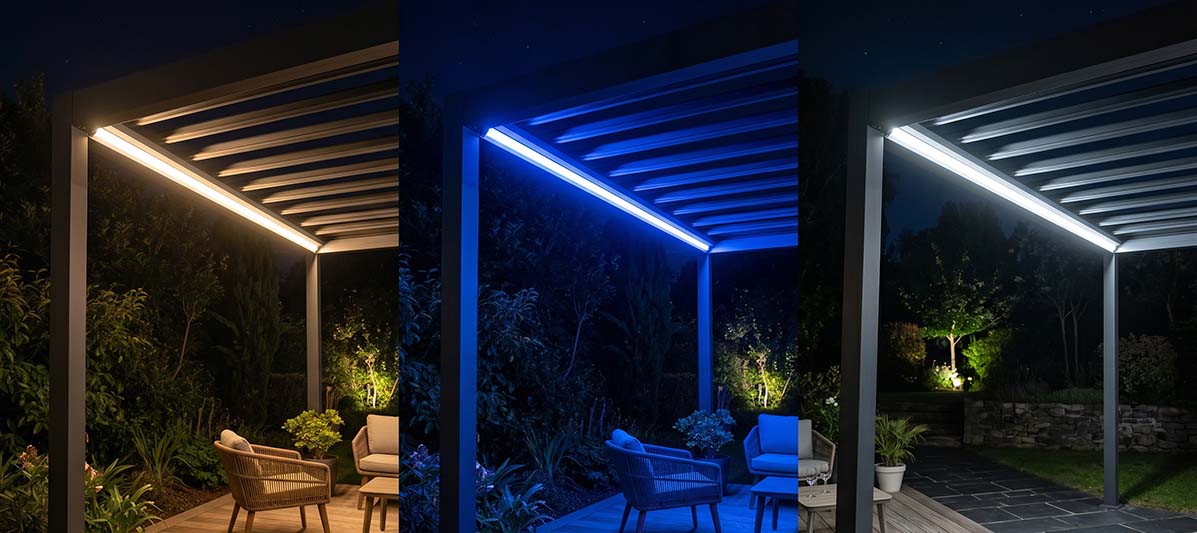
In the global value chain of the outdoor shading industry, lighting systems have evolved from optional ‘ambiance accessories’ into core functional modules that determine a product’s premium potential. For brand owners, pergolas are no longer merely shade structures — they are extensions of the ‘outdoor living space.’ According to the latest market insights, consumer usage time in outdoor spaces is significantly increasing as high-end lighting, heating, and smart controls are integrated. This shift has created a complex balancing act for brand owners when selecting LED color specifications: how to provide sufficient marketing selling points (easy to sell) while optimizing production costs (high margins) and ensuring long-term after-sales reliability (consistent quality).
Core Spectral Technologies: From Physical Properties to Perceived Value
Before discussing specific specification choices, it is essential to analyze the underlying technical logic of different LED chip architectures. The three mainstream solutions on the market are Single White, CCT/Tunable White, and multi-channel color systems (RGBW/RGBCCT).
1. Single White: The Cornerstone of Efficiency and Reliability
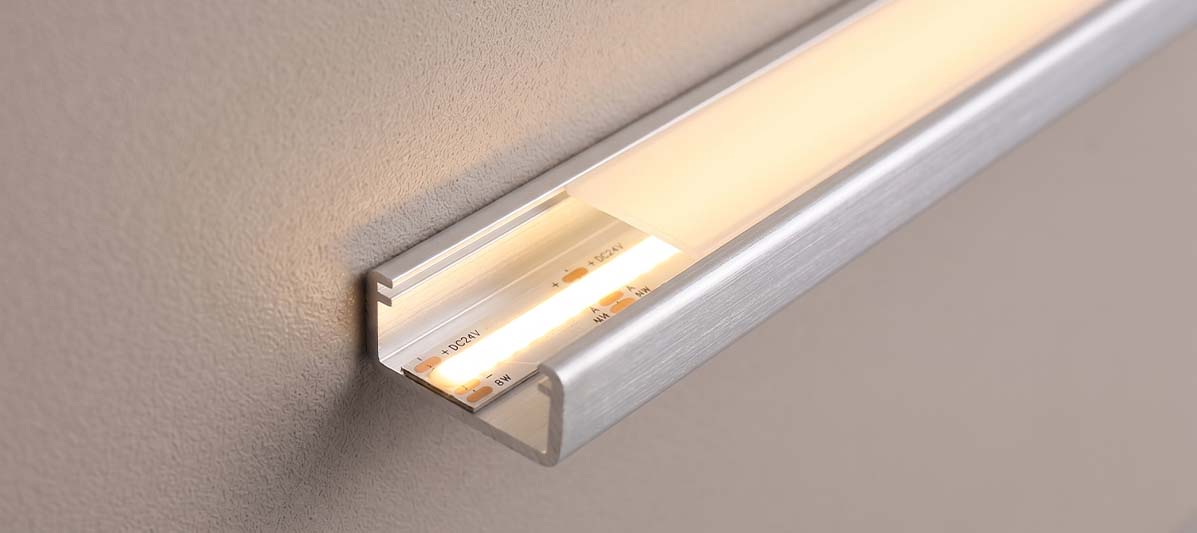
Single-color white LED strips are the most widely used baseline solution in the shading industry. They typically use a single phosphor-coated chip optimized for a specific color temperature (such as 3000K warm white or 5000K neutral white). In professional lighting, single-color white is regarded as the ‘gold standard’ for brightness and reliability. Structurally, single-color white chips use the full effective emission area of the LED package to produce a single-wavelength white light — this allows their Lumens per Watt to typically be approximately 30% higher than multi-channel color chips. For brand owners, this means achieving higher illuminance with less power. For example, a high-quality single-color LED strip can easily reach over 1,000 lumens per meter, sufficient to support functional lighting for large pergola paved areas or kitchen zones.
2. RGBW: Bridging Color and Practicality
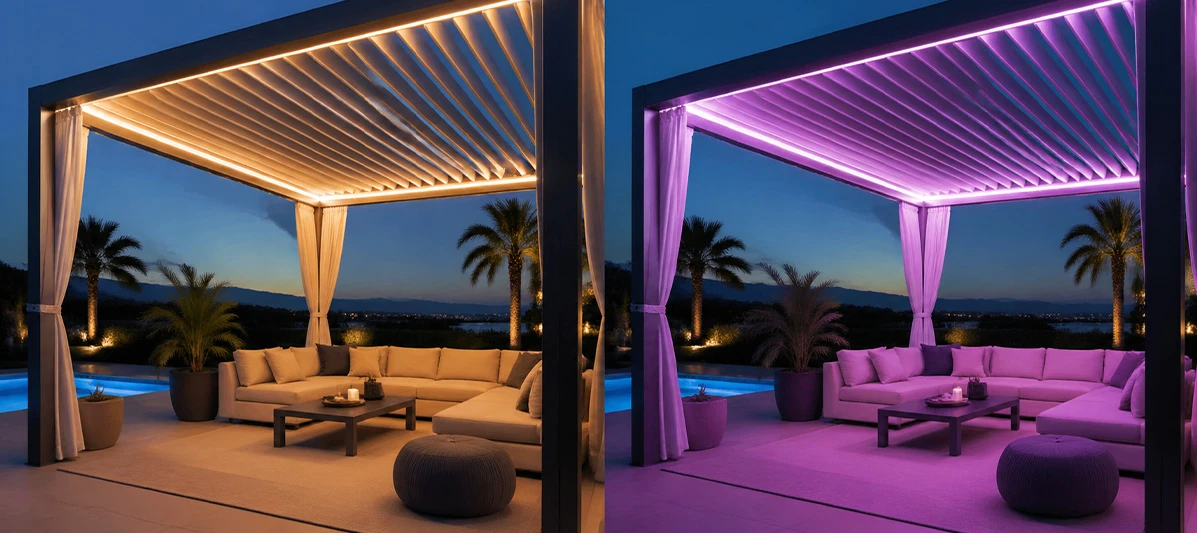
Early RGB systems simulated white light by mixing red, green, and blue — a well-recognized ‘technical minefield’ in outdoor architectural lighting. The white light produced by RGB mixing often carries a noticeable cyan or purple tint, with an extremely low CRI (typically 60–70), making outdoor wooden decks look gray, plants look plastic, and human skin appear sickly. The RGBW system was developed to address this pain point. By adding one independent, high-quality phosphor-coated white chip alongside the three RGB chips, brand owners can offer customers genuinely functional illumination. RGBW (typically a 4-in-1 chip) allows users to switch on clean 3000K warm white for everyday use, while switching to millions of dynamic colors for holidays or parties. Additionally, blending the white channel with the color channels can produce soft pastel tones — such as mint green, lavender, or ice blue — that traditional RGB cannot achieve, greatly enhancing the product’s artistic expression.
3. CCT and RGBCCT: The Pinnacle of Human-Centric Lighting (HCL)
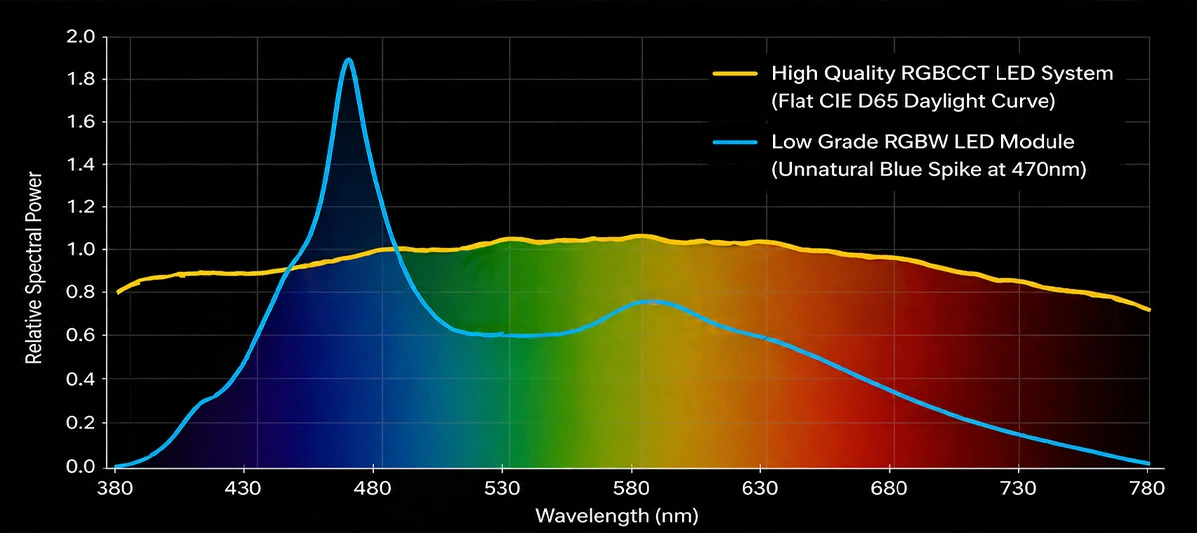
Dual color temperature (CCT) technology allows free adjustment of white light ‘warmth’ from 2700K to 6500K. In high-end bioclimatic pergolas, this feature is marketed under the concept of ‘Human-Centric Lighting (HCL)’ — simulating the natural progression of light from dawn to dusk. RGBCCT (also known as RGBWW) represents the current technical apex, integrating both cool white and warm white independent channels on top of the RGB system. This 5-in-1 or 6-in-1 chip configuration provides unparalleled flexibility. Research shows that in 4000K mode, a high-quality RGBCCT system can produce a spectral curve very close to natural daylight (CIE D65 standard), whereas lower-quality RGBW solutions often exhibit an unnatural spike at 470nm, causing metallic surfaces to appear dull.
Technology Comparison Overview
| Technology | Chip Type | Control Channels | Core Application | Brand Premium Potential |
|---|---|---|---|---|
| Single White | High-performance single color | 1 channel / 2-wire | Minimalist architectural lighting, functional task lighting | Entry-level / Commercial |
| RGBW | 4-in-1 integrated chip | 4 channels / 5-wire | Luxury residential, landscape ambiance and function combined | Mainstream Luxury |
| RGBCCT | 5-in-1 integrated chip | 5 channels / 6-wire | High-end custom, human-centric lighting, top smart integration | Premium Custom |
Durability Challenges in Pergola Environments: More Than Just Waterproofing
When selecting outdoor landscape lighting, it is essential to understand the differences in protection ratings. You can refer to our in-depth guide, “Dış Mekan Pergola Aydınlatma ve Kontrol Bileşenleri için IP Sınıflandırma Kılavuzu: IP44 vs IP65 vs IP67?”, to help you choose the most durable configuration for your project. For pergola brand owners, product quality and stability directly impact after-sales costs and brand reputation. The outdoor environment is far more demanding than indoor lighting — it involves moisture ingress, thermal cycling stress, UV degradation, and corrosion.

1. IP Rating Selection
In LED specification sheets, IP65, IP67, and IP68 are the three most common protection levels. Although higher-rated options exist, IP65 has been proven to be the optimal balance of performance and cost for the vast majority of residential and commercial pergola applications.
Based on our combined user experience and testing, IP65 was designed to resist low-pressure water jets. In pergola lighting applications, LED strips are typically installed in slots within aluminum alloy frames, primarily exposed to rain splash or routine cleaning spray. IP65 provides sufficient protection to handle these everyday outdoor challenges, ensuring stable system operation under normal rainfall conditions.
2. Encapsulation Materials: From Epoxy to Silicone
The yellowing problem of LED strips has long been a nightmare for brand owners. Standard epoxy resin encapsulation becomes brittle and yellows under solar UV exposure within 12 to 18 months, causing a sharp drop in light efficiency and color shift.
As a professional manufacturer of pergola aydınlatma ve control systems, we currently use fully sealed silicone extrusion technology or TPU injection molding processes. Silicone materials offer excellent chemical stability, resisting UV radiation, salt spray corrosion, and dramatic temperature fluctuations from -40°C to 100°C. For brand owners, choosing silicone-encapsulated RGBW or single-color LED strips provides the technical foundation for offering 5 to 7 year warranties.
3. Thermal Management: Ensuring LED Longevity
Heat is the invisible enemy of LED lifespan. Because RGBW strips integrate multiple chips, the heat generated per unit area is significantly higher than single-color strips. Aluminum alloy pergolas offer a natural advantage here: the metal frame itself acts as a large heat sink.
Brand owners should prioritize design solutions that integrate LED strips within aluminum alloy profiles, rather than simply adhering them. Profiles provide not only physical protection, but also accelerate heat conduction through direct metal contact. Research data indicates that good thermal design can extend the effective LED lifespan (LM80 standard) from 30,000 hours to over 50,000 hours.
Production Costs and Installation Ease: The Brand Owner’s Profit Moat
As a brand owner, while pursuing performance, you must also consider production efficiency (ease of installation) and material cost control (high margins). Although multi-channel systems (RGBW/RGBCCT) offer strong selling points, the hidden costs they introduce are often underestimated.
1. Wiring Complexity and the Multiplier Effect on Labor Costs
The number of wires in an LED system directly determines assembly speed and error rates:
- Single White: Only 2 wires (positive and negative). Extremely simple wiring that requires virtually no professional training.
- RGB: Requires 4 wires.
- RGBW: Requires 5 wires. This not only increases cable costs, but more critically, 5-pin or 6-pin connector pin spacing is very narrow (typically only 2.54mm), making cold solder joints or short circuits during factory assembly or on-site maintenance extremely likely.
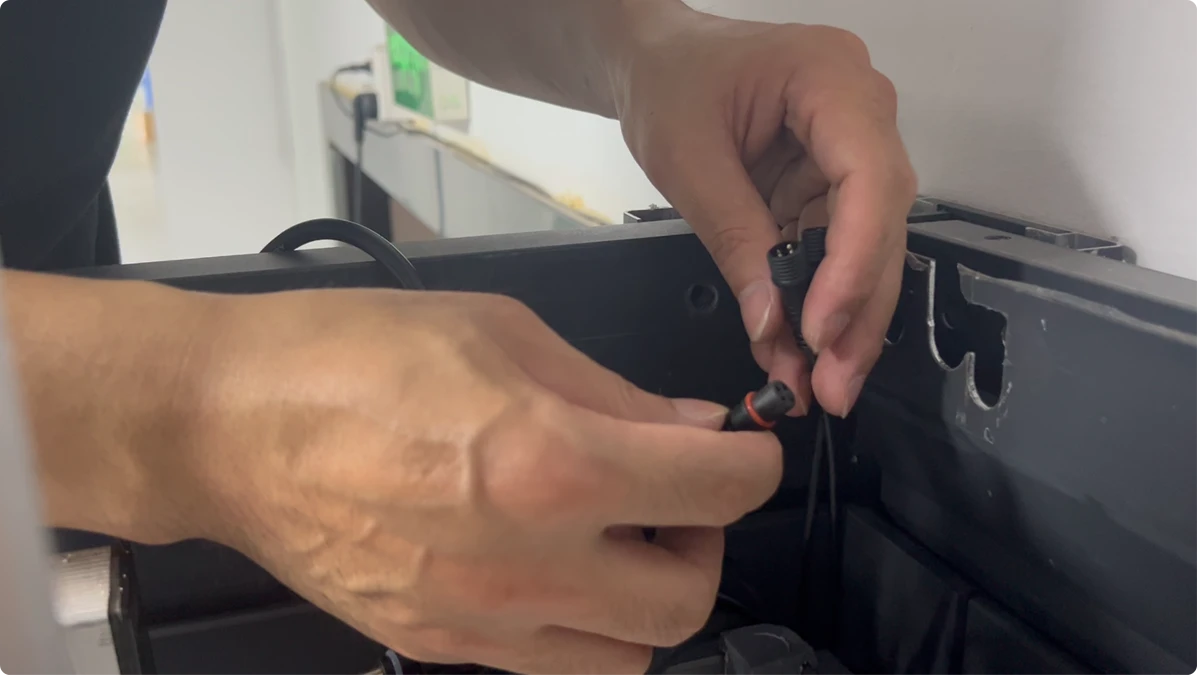
On automated production lines, manual wiring often accounts for over 40% of assembly time. For pergola brand owners, choosing a 2-wire single-color white system means faster turnaround and lower quality control pressure. If RGBW must be chosen for its selling points, pre-made waterproof plug-and-play connector systems must be adopted to avoid moisture ingress risks from field wiring.
2. Voltage Drop Engineering Calculations
Pergolas typically have large spans (6 meters or more). In low-voltage DC (12V or 24V) systems, long-distance transmission causes current to generate voltage drop along the wiring:
- 12V Systems: Voltage drop is a serious problem; the strip end often experiences brightness reduction or RGBW color shift.
- 24V Systems: The industry standard for outdoor pergolas. It effectively suppresses voltage drop and supports longer strip series connections.
2 · L · I · ρ
A
Where L is the cable length, I is the current, ρ is the resistivity, and A is the cross-sectional area of the cable. To control costs, manufacturers tend to use thinner cables, which must be compensated for by increasing the system voltage (24V). Single-color LED strips are approximately 30% less sensitive to voltage drop than RGBW strips, due to their higher power efficiency.
3. Profit-Maximizing Pricing Strategy: Tiered Configuration
To make products both easy to sell and cost-controlled, leading brand owners typically adopt a tiered approach:
- Base Configuration: Standard IP67 single-color 24V LED strip. Selling points are ‘architectural-grade illuminance, ultimate stability, ultra-simple installation.’ Profit comes from high turnover of the pergola structure itself.
- Upgrade Configuration: Optional RGBW or RGBCCT. Selling points are ‘festive ambiance, millions of colors, smart home integration.’ Since consumers’ perceived value of ‘color’ typically far exceeds its actual hardware cost (RGBW hardware costs are only 20–30% higher than single-color), the premium potential is substantial and represents the brand’s primary profit growth driver.
Market Competitiveness: Three Key Selling Points That Elevate Product Value
In a highly competitive market, simply ‘lighting up’ is no longer enough. Brand owners need to enhance their core competitiveness through innovative lighting configurations.
1. Concealed Light Path Design (Invisibility)
The hallmark of a premium pergola is ‘seeing the light, not the fixture.’ Recessed design fully conceals LED strips within inner grooves of aluminum alloy louvers or beams. This design not only protects LEDs from direct sunlight damage, but also creates an upscale indirect lighting effect, eliminating glare from direct light sources. In marketing, this is referred to as ‘seamless integrated aesthetics.’
2. Smart Ecosystem Integration
Modern pergolas must be part of the ‘smart living’ experience. By integrating the Tuya control protocol, brand owners can synchronize pergola lighting with the homeowner’s smartphone, Amazon Alexa, or even the entire landscape lighting system.
- Integrated Control: A powerful integrated control system that manages lighting alongside motorized louver control.
- Dynamic Scenes: ‘Dinner Mode’ automatically switches to 3000K warm white; ‘Party Mode’ activates RGB color cycling.
- Automation: Automatically activates when presence is detected, or switches on at sunset via an astronomical clock.
3. Layered Lighting Solutions
The 2025 industry trend is shifting from single light sources to layered lighting:
- Ambient Layer: LED strips embedded in the perimeter frame, providing soft background ambient light.
- Task Layer: Spotlights on columns or high-brightness white light in the ceiling center for grilling or reading.
- Decorative Layer: Wall-washing light aimed at columns or specific decorative lines to outline architectural contours.
By offering such combination kits, brand owners not only increase average order value, but also solve the practical pain points of customers who feel their lighting is ‘insufficient’ or ‘too harsh.’
Conclusion and Recommendations
For pergola brand owners, LED color specification selection is not a simple technical decision — it is a comprehensive strategic model involving brand positioning, production costs, and after-sales expenditure.
The Golden Rules for Brand Owners (24V + IP67 + RGBW Tiered)
- Standardize Architecture: Adopt 24V DC systems and IP67 protection ratings across the entire product line as the core guarantee of consistent quality.
- Focus Core Selling Points: Position RGBW as the primary sales driver. Compared to the over-specified RGBCCT, RGBW provides functional white light alongside consumers’ favorite color features at lower cost with fewer wires.
- Reduce Long-Term Headaches: Strictly prohibit the use of 12V LED strips and standard epoxy encapsulation in outdoor environments. Insist on silicone extrusion technology and high CRI (90+) chips to eliminate light degradation, color shift, and yellowing complaints at the source.
- Enable with Digital Tools: Introduce an online 3D configurator that lets customers visually see the real-time effect of different lighting schemes under a pergola. This has been proven to significantly shorten decision cycles and increase average order value.
Outdoor lighting is no longer an accessory to the pergola — it is the soul that defines the space. Start re-evaluating your lighting kit specifications now, and seize the lead from 2025 market trends.

Pingback: Pergola Kontrol Sistemi Malzeme Listesi Kontrol Listesi – Panjurlu Çatı Üreticileri İçin